What it really costs to own a yacht: a yearly budget
The real yearly cost of owning a yacht in Greece: berth, insurance, maintenance, haul-out, fuel, crew, cruising tax and depreciation, with a simple rule of thumb.
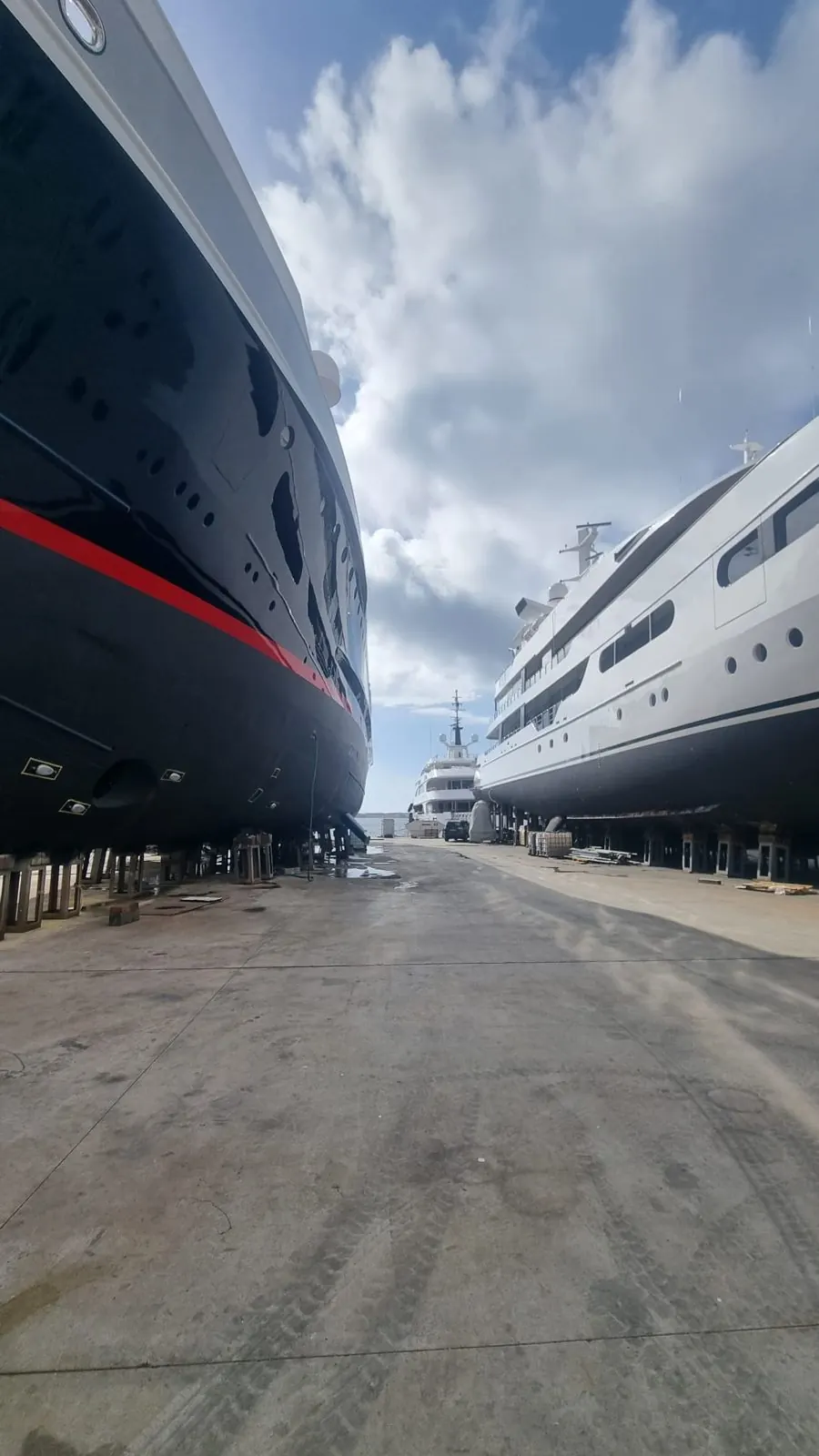
Buyers spend months on the purchase price and minutes on the running costs. Yet over five years of ownership, running costs often add up to more than half of what you paid for the boat. Here is how to build an honest yearly budget.
The rule of thumb
Budget around 10% of the boat's value per year for running costs, before fuel-heavy use and professional crew. A small, simple boat may cost less in percentage; an older boat, or a large yacht with full-time crew, can cost much more.
The main items
Berth or mooring
The biggest fixed cost for most owners. Annual contracts in Athens-area marinas and popular islands are expensive and in short supply in summer; smaller harbours and town quays cost far less. Decide where the boat will live before you buy her.
Insurance
Usually around 0.5–1.5% of the hull value per year, depending on value, age, cruising area, the owner's experience and whether she is chartered.
Maintenance and haul-out
Antifouling, anodes, engine service, impellers and filters, safety equipment, canvas, electronics and the inevitable repairs. Plan at least one haul-out a year. On a well-kept boat, routine maintenance is a steady cost; on a neglected one it is a series of surprises.
Fuel
Small on a sailing yacht, large on a planing motor yacht. Ask for real consumption figures at cruising speed and multiply by the hours you expect to run.
Crew and management
From about 20 m a professional captain is usual, and larger yachts need a full crew, with salaries, food, insurance and training. Smaller boats can use a yacht manager or a captain on call for deliveries and winter care.
Taxes and fees
Greece charges a cruising tax (TEPAI) on boats over 7 m based on length, plus annual registration and safety inspections depending on the flag. If the boat is bought VAT unpaid, the VAT plan belongs in the budget too: see our yacht VAT guide.
Depreciation
Not a cash cost, but a real one. New boats lose value fastest in the first years. Good maintenance records slow depreciation more than any upgrade.
How to lower the cost without cutting corners
- Buy a well-maintained boat with documented history, even at a slightly higher price.
- Choose a base that matches your use: a town harbour you visit often beats a prestigious marina you rarely see.
- Fix small problems before they become big ones.
- Consider charter income carefully: it can offset costs but adds wear, licensing and management work.
The broker's view
When I prepare a purchase with a client, I build the first-year budget before the offer. A boat that fits the budget is a boat you will use; one that strains it usually comes back on the market within two seasons.
Frequently asked questions
How much does it cost to keep a yacht per year?
A common rule of thumb is around 10% of the boat's value per year, before heavy fuel use and professional crew. Older and larger yachts can cost more.
How much is yacht insurance?
Typically about 0.5–1.5% of the hull value per year, depending on value, age, cruising area, experience and charter use.
Is there an annual tax on boats in Greece?
Yes. Greece charges a cruising tax (TEPAI) on boats over 7 m, calculated on length.
Looking for a yacht?
Tell us what you need and we will search the whole market for you, including boats that are not online yet.
Related yachts
Keep reading

How to buy a used yacht in Greece: the complete guide
Step by step: how to buy a used yacht in Greece, from shortlist and offer to survey, sea trial, VAT checks, contract and registration. Written by a yacht broker in Athens.
Yacht VAT explained: what “VAT paid” and “VAT not paid” really mean
What VAT paid and VAT not paid mean on a yacht listing, how VAT status affects price and use in the EU, what proof to ask for, and the mistakes that cost buyers money.
Yacht survey and sea trial: how they work and what to check
What a pre-purchase yacht survey covers, how long it takes, what it costs, how a sea trial works and how to use the results to renegotiate the price.