Crewed or bareboat charter: which is right for you?
Crewed vs bareboat yacht charter in Greece compared: licences, costs, comfort, freedom and who each option suits, with a skippered middle way.
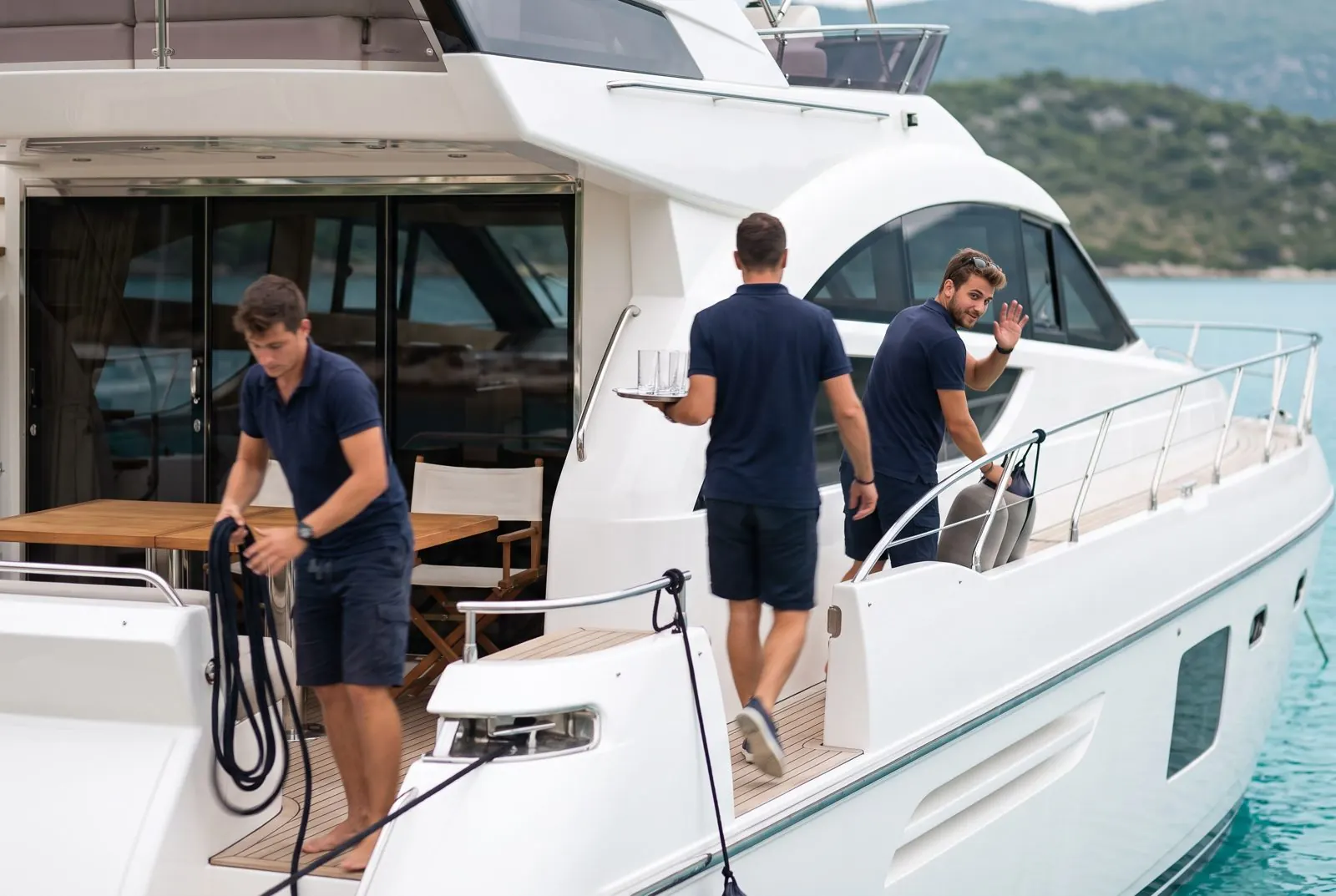
Every charter starts with one choice: do you want to sail the boat yourself, or be looked after by a professional crew? Both are wonderful ways to see Greece. They are just very different holidays.
Bareboat: you are the skipper
On a bareboat charter you rent the yacht without crew and you are responsible for her. You plan the route, handle the boat, anchor and moor, and cook or eat ashore. It is the most flexible and the most affordable way to charter.
What you need: a recognised sailing licence or ICC for the skipper, and in Greece a second person on board with sailing experience. Charter companies check licences and experience before handing over the boat.
Best for: experienced sailors, groups of friends who share the work, and families who already sail. The Ionian, with gentle winds and short distances, is the classic first bareboat area; the Cyclades in July and August, with the meltemi, are for experienced crews.
Crewed: you are the guest
On a crewed charter the yacht comes with a professional captain and, depending on size, a chef, deckhands and a hostess. The crew plans the route around your wishes, knows the anchorages, cooks, cleans and takes care of the boat. You swim, eat, explore and rest.
What you need: nothing but your passport. No licence or experience.
Best for: families with young children, mixed groups, special occasions, and anyone who wants a real holiday rather than a sailing project. Crewed motor yachts, gulets, catamarans and sailing yachts are all available.
The middle way: skippered charter
You can add a licensed skipper to a bareboat, usually for around €150–250 a day plus food, and keep the rest of the arrangement. A skipper sleeps on board, so you lose one cabin, but you gain local knowledge and safety. Some boats also offer a cook or hostess as an extra.
Costs compared
- Bareboat: lowest weekly fee; you add fuel, marinas, food, final cleaning and a damage deposit.
- Skippered: bareboat price plus the skipper's daily fee and food.
- Crewed: higher weekly fee plus APA, usually 25–40%, for fuel, food and marinas, and a crew tip of 10–15%. See how much a charter costs in Greece.
How to decide
Ask yourself three questions. Does someone in the group hold a licence and want to be responsible for the boat all week? Do you want to cook and clean on holiday? And is this trip about sailing, or about being at sea with the people you love? If the honest answers are no, no and the second one, choose crewed.
The broker's view
Many of my clients start with bareboat and move to crewed when their families grow. Others do the opposite and learn to sail with a skipper first. There is no wrong choice, only a wrong match between the boat, the crew and the group.
Frequently asked questions
Do I need a licence to charter a yacht in Greece?
For a bareboat charter, yes: the skipper needs a recognised sailing licence or ICC, and a second crew member should have sailing experience. For a crewed charter you need no licence.
Can I hire a skipper for a bareboat?
Yes. A licensed skipper usually costs around €150–250 a day plus food and sleeps on board.
Which is cheaper, crewed or bareboat?
Bareboat has the lowest weekly fee. A crewed charter costs more but includes a professional crew; add APA and a tip.
Planning a charter?
Tell us your dates, your group and how you like to travel, and we will match the right yacht and crew.
Related yachts
Keep reading
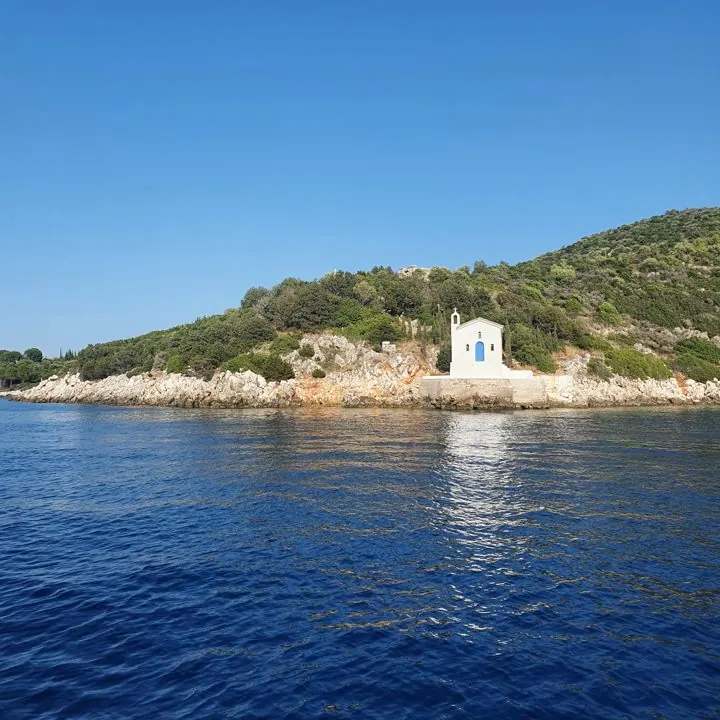
How much does it cost to charter a yacht in Greece? (2027 prices)
Real yacht charter prices in Greece for 2027: bareboat, crewed sailing yachts, catamarans, gulets and motor yachts, plus VAT, APA, fuel and tips explained.
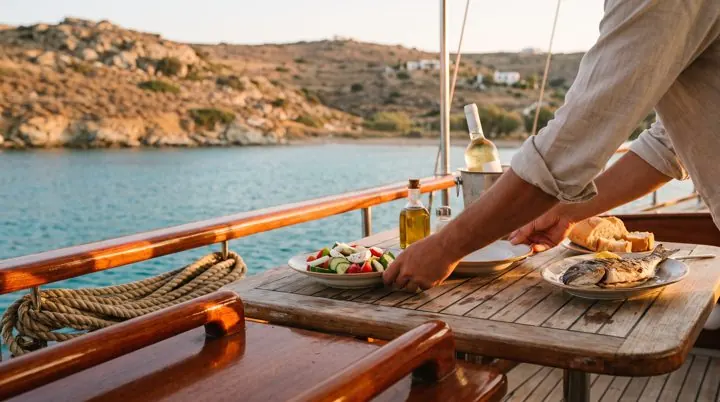
What is APA in a yacht charter? A clear guide with examples
APA, the Advance Provisioning Allowance, explained: how much it is, what it pays for, how the captain accounts for it and what happens to the money you do not spend.
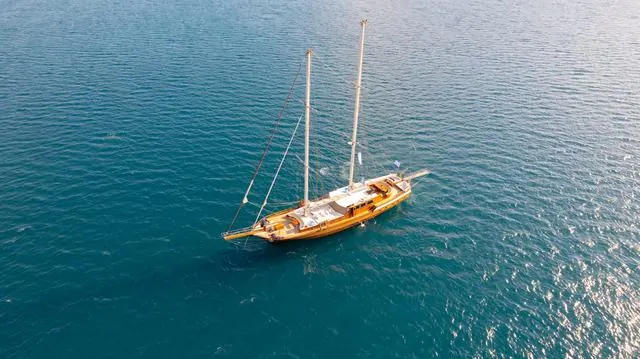
The best sailing routes in the Cyclades: one-week itineraries
Three one-week Cyclades sailing itineraries from Athens and Paros, with distances, anchorages, meltemi advice and the best months to go.